

Personal injury mediation is a form of alternative dispute resolution (ADR) used in civil cases. The plaintiff (injured party) and the defendant (the party alleged to be responsible/negligent) can engage in mediation in an effort to reach a resolution to the claim.
In Maine, Rule 16B of the Maine Rules of Civil Procedure requires the parties to most civil cases to participate in ADR before trial. In fact, once a lawsuit is filed, almost all claims are required to go through some type of alternative dispute resolution process, and often that is mediation.
You do not need a court order to begin mediation in a personal injury lawsuit, however. Many parties choose to try mediation as their first step in negotiating a reasonable settlement agreement. While it’s always a good idea to have a Maine personal injury lawyer advise you throughout the mediation process, it’s useful to know what to expect as you work toward the best possible outcome.
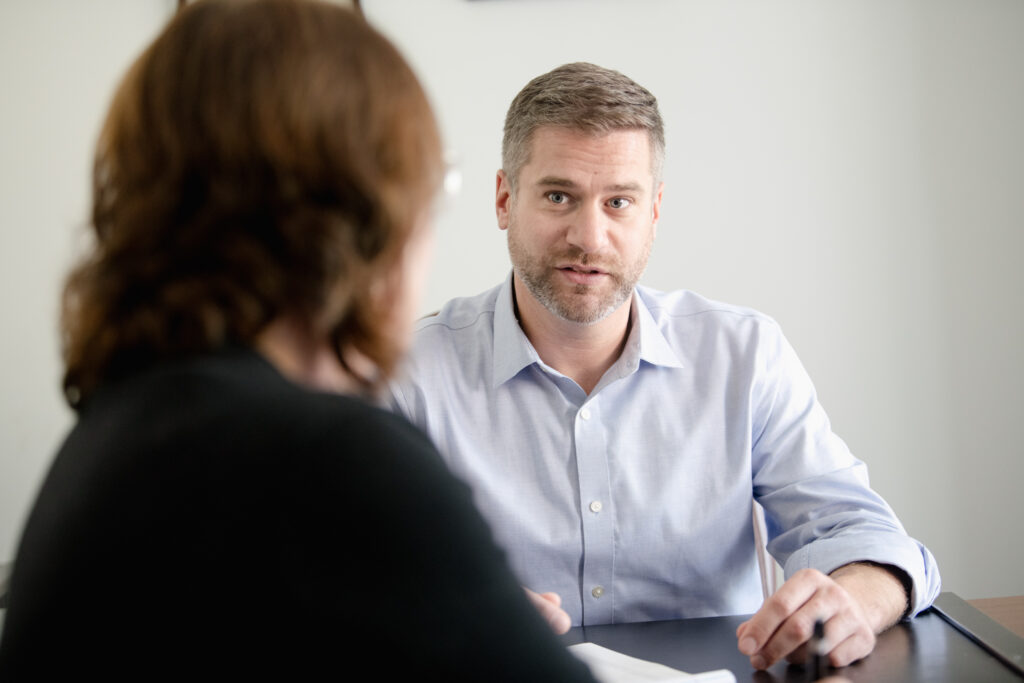
What is mediation in personal injury cases?
Mediation helps parties on either side of a lawsuit try to find common ground and agree on a settlement without the need for a jury trial. The goal of the process is for the plaintiff and defendant to reach an agreement to settle the claim short of a full trial. Ideally, negotiations end with a settlement offer acceptable to both parties (and any insurance companies responsible for paying out the settlement). But not every case settles at mediation, and any settlement is a voluntary agreement between the parties.
Mediation is typically non-binding unless the parties reach and sign a settlement agreement. The process is overseen by a professional mediator, someone who has knowledge of the matters involved and experience in similar cases. These mediators are often retired judges, attorneys who have experience with the type of case at hand, or other neutral third parties with legal understanding and experience. They facilitate discussions and may offer perspectives that help the parties reach a mutually agreeable settlement.
Mediation can be quite productive, as there’s more give-and-take than litigation. It is commonly used in cases involving business torts, injuries caused by defective products, car collisions, and workplace injuries. The decisions the parties reach can be turned into a binding settlement agreement, avoiding a trial and saving both parties a good deal of time, money, and effort.
Knowing what to expect can be a major help when preparing for mediation:
The process of mediation
The neutral mediator guides the process, starting with introducing all participating parties. Then, each party typically makes an opening statement, presenting their side of the case and information they think is relevant to the dispute.
In most mediations, the parties then separate into different rooms. The mediator then goes back and forth between the two parties, having private conversations in each room (or in separate online video conferencing “rooms”). The mediator carries each party’s demands and concessions to the other.
Mediation works toward a solution
At the start of mediation, it’s common for each side to have different views about the case. That is, after all, why there is a dispute that led to a lawsuit. This is a normal part of the process. Mediation is designed to help both sides move closer to a resolution over time and a better understanding of the risks involved with moving a case forward to a jury trial.
Your attorney guides you through the negotiation and explains any offers that are made. They will also help you decide how to respond based on your goals and the facts of your case. The mediator may also work with each side to find areas of agreement and keep the discussions productive.
Mediation sessions can vary in length depending on the case’s complexity. In some situations, more than one session might be needed. If an agreement isn’t reached, the case continues through the court process and potentially a trial.
Presenting your claims
By the time you reach mediation, your attorney will likely have sent the defendant a demand letter outlining their case, the evidence against them, the nature of your injuries, and the extent of the damages (economic and non-economic) you seek. This helps outline your position and the basis for your claim before mediation starts. As your case moves toward mediation, your attorney might continue to review evidence and prepare your claim and supplement the information as appropriate.
While a courtroom has very specific rules for evidence, in mediation, an attorney can introduce evidence that may not be admissible in a Maine court of law. For example, if the matter involves a car accident, then your lawyer may present the police report with an officer’s narrative clearly indicating that the defendant caused the accident. Police reports aren’t usually admissible at trial, but may be used in mediation to show a defendant what the officer who responded to the accident scene will say when he testifies.
The defense may also take advantage of mediation’s more informal nature by presenting information or arguments that support their position on liability or damages. Since mediation is a negotiation process, both sides will emphasize the facts that strengthen their case. You may hear arguments or see information that you disagree with, or that fails to tell the entire story. Your attorney will be there to respond to those points and make sure your position is clearly presented.
Ultimately, mediation works toward a compromise. While outcomes vary from case to case, it gives you more input in the process and can provide a more predictable and reliable outcome than going to trial.
Get legal support for personal injury mediation
If you’ve been injured due to someone else’s negligence, mediation can be a valuable step toward resolving your personal injury claim. The skilled attorneys at Shaheen & Gordon will guide you through the mediation process, helping you negotiate a fair settlement without the stress of a lengthy trial. Contact Shaheen & Gordon today at (800) 451-1002 or send us a message online for a free consultation and take the first step toward justice.