

Social media can be used as evidence in a New Hampshire criminal case if it meets the state’s legal standards for relevance and authenticity. Prosecutors now review everything, even photos and private messages, and these digital footprints can quickly become part of the case against you. If you are facing charges, a New Hampshire criminal defense attorney can explain how digital evidence may affect your case.
How can social media be used as evidence in New Hampshire?
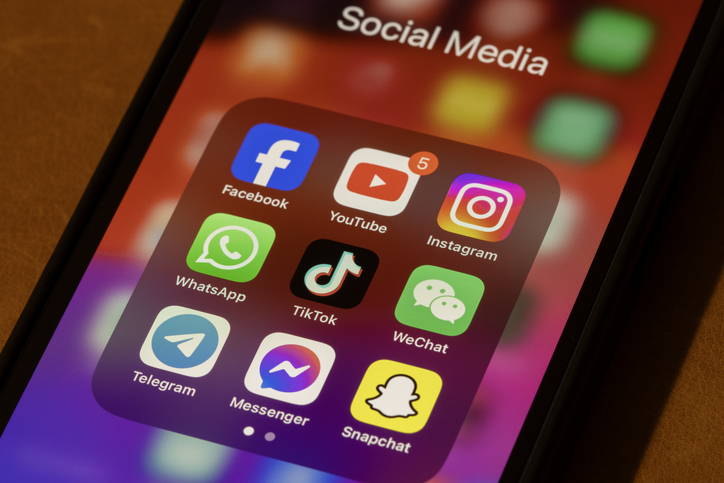
Social media platforms like Facebook, Instagram, TikTok, Snapchat, X contain enormous amounts of personal information. In New Hampshire courts, this type of digital evidence is admissible when the prosecution shows:
- It’s relevant under the New Hampshire Rules of Evidence.
- It can be authenticated, meaning there is proof it came from a specific account or device.
There are several ways in which comments and communications from social media platforms may be admissible during trial in a New Hampshire criminal case. Statements made by a party to the case are not hearsay, which means that statements you make on social media platforms or in messages may be used against you if they are relevant in the case. The same is true for statements made between coconspirators during and in furtherance of a conspiracy.
Similarly, any statement you make that might be against your interest is an exception to the hearsay rule and may be admissible against you even if it is made in a social media post or in a message to another person.
Prosecutors use social media activity in many types of cases, including assault, drug offenses, theft, domestic violence, and cases involving alleged gang affiliations. Posts and comments may be used as circumstantial evidence to suggest motive or a timeline of events.
Even lighthearted memes or updates can gain meaning in a courtroom, and what may feel harmless online can become evidence in court once a prosecutor connects it to their theory of the case.
How do prosecutors access social media accounts and data?
Prosecutors can gain access to online information through several lawful methods:
- Public content: Anything visible without logging in can be collected and reviewed immediately.
- Shared content: Friends, followers, or other users may share screenshots or posts with law enforcement.
- Legal process: Private messages, restricted posts, and archived social media data can be obtained with a subpoena, court order, or search warrant.
When law enforcement officers seek private material, they must respect the protections of the Fourth Amendment to the United States Constitution and Part I, Article 19 of the New Hampshire Constitution, which both protect citizens from unreasonable searches and seizures. But even with a private account, your social media history may still be reachable if the court grants lawful permission. A judge might authorize access to social media data when the request demonstrates probable cause.
What types of social media posts and messages may appear in a criminal case?
Prosecutors often examine a wide range of digital evidence, including:
- Photos or videos that appear to show illegal activity
- Location check-ins that place someone near an alleged crime scene
- Comments or captions that imply intent or state of mind
- Direct or private messages that suggest planning or communication
- Posts or interactions that connect a defendant with other individuals involved in a case
Digital evidence may also include metadata and timestamps. Even deleted social media data can sometimes be retrieved through the platform or through forensic tools.
Can private social media messages be used as evidence?
Yes. Private messages can appear in a criminal case if prosecutors obtain a subpoena, search warrant, or court order. Platforms may turn over data like direct messages, archived chats, deleted conversations, and even IP logs and account activity. Private messages are not automatically protected from discovery, and courts regularly admit this type of digital evidence.
How can a criminal defense lawyer challenge social media evidence?
Defending against digital evidence requires both legal knowledge and an understanding of how social media platforms store and produce data. A skilled criminal defense lawyer can challenge digital evidence using several strategies:
- Questioning authenticity: A post may have been altered, hacked, or created by someone else.
- Evaluating context: A caption, meme, or image may be unrelated to the charges.
- Arguing unlawful collection: Evidence obtained without proper legal authority may be excluded. A finding of “probable cause” is typically required to support a search warrant or subpoena for the search of social media accounts, a cellular phone, computer or other electronic device. Probable cause generally means that, more likely than not, evidence of a specific crime will be found in the area that law enforcement wish to search. In some cases, there are fair arguments that a warrant or subpoena was issued without probable cause. In turn, defense attorneys can file motions to suppress the fruit of such an unconstitutional search.
- Reviewing the chain of custody: Improper handling can undermine reliability.
What should you avoid doing on social media during a criminal investigation?
Your online activity can influence the outcome of your case. To protect yourself, make sure you don’t discuss the case online in any form. Avoid deleting or altering posts without speaking with your lawyer, as this may raise concerns about destroying potential evidence.
When possible, update your privacy settings, but keep in mind they can’t fully prevent discovery. Avoid responding to posts from alleged victims or witnesses. It may violate court orders or conditions of release. When in doubt, let your attorney guide all decisions related to your social media presence.
What to do if social media evidence is part of your case
Many people tell us they feel blindsided when social media is suddenly pulled into a case, and they are unsure what they should or shouldn’t do next. You shouldn’t have to navigate those decisions alone. A criminal defense lawyer at Shaheen & Gordon can review the digital evidence and help you move forward with a clear plan. Our team takes the time to understand what you’re facing and gives you straightforward guidance you can rely on.
If you’re worried about how your social media history may affect a criminal investigation, reach out to our New Hampshire criminal defense attorneys at (800) 451-1002 or contact us online to talk about your situation confidentially.