

The moments after a car crash are chaotic. You might be in physical pain, and details of what just happened might be hazy for survivors. Memory loss is not unusual after a collision, and could be caused by a head injury or trauma.
Short or long-term memory loss after a car crash may be an indicator of a more serious condition, like a traumatic brain injury (TBI), so it’s crucial to seek medical attention as soon as possible.
While your ability to remember the events of the crash may affect your ability to recover compensation for your damages, an experienced Maine car accident attorney can work with you to explore all options to help you get the money you need for medical treatment and your other losses.
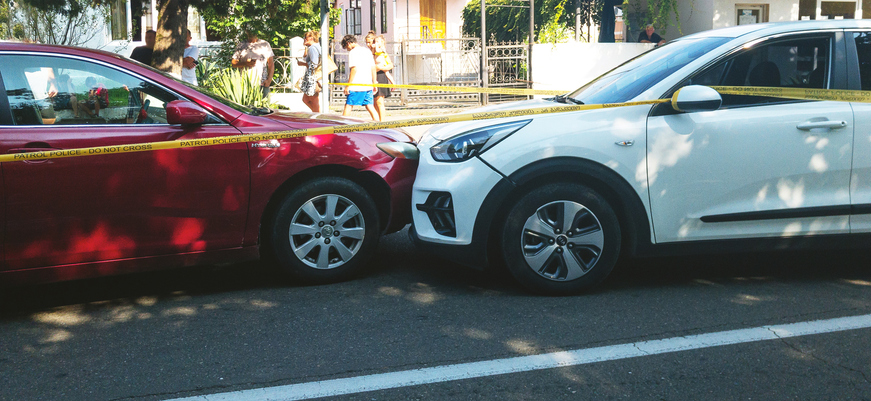
Common types of memory loss that car accident victims suffer
Head trauma is one of the most common injuries in a car crash. Traumatic brain injuries damage the brain tissue and can affect the victim’s ability to recall events, make new memories, and can even lead to permanent brain damage or limited cognitive function.
A TBI often produces post-traumatic amnesia, memory loss of the events just prior to, during, and after a traumatic event, like a car crash. There are two primary categories of post-traumatic amnesia:
- Anterograde Amnesia: The victim has no memory of the event and is unable to form new memories after the event for a period of time
- Retrograde Amnesia: The victim is unable to remember a period of time before the event. They may have memories of the event, and typically have no trouble forming memories after the event
Getting medical care right away can give you the best chance of recovering from a brain injury. Your medical records will be important documentation to support your legal case against the at fault party.
How your lawyer can help if memory loss has affected your given statements
Talk to a lawyer as soon as possible after the incident and make sure to explain any diagnosis provided by your medical providers. Ask to review all the statements you made, and go over them together. After you begin medical treatment, you may be better able to recall details of the collision or realize that you have information you didn’t previously share.
Your attorney may advise you to wait before making a statement to insurance companies or may advise you not to make a statement at all. Always talk to a lawyer before speaking with an insurance company.
You do not have to give a statement to the other driver’s insurance company, and in fact, it’s better if you don’t. If you are contacted by the other driver’s insurance company, you have no obligation to speak with them and you should let your lawyer handle any communication. They may seem nice on the phone, but these people do not have your best interest in mind.
Building a case when you can’t remember the crash
Good lawyers have ways to prove what happened in a car crash and don’t necessarily need to rely on your memory of what happened, especially if the you suffered a head injury. Crash reports, surveillance and dashcam footage, witness statements and other sources of information can be used to prove what happened and your lawyer will take steps immediately to preserve any available evidence. Private investigators can also gather evidence and interview witnesses. Professional accident reconstructionists can be hired to recreate the event and prove the other party was at fault for the crash.
Although memory loss can affect your legal claim, your lawyer can still build a strong case against an at-fault party who caused a collision.
Don’t let memory loss cost you compensation
If you have suffered long-term or short-term memory loss after a car crash and need help getting the compensation you need for your medical bills, lost wages, and pain and suffering, the legal team at Shaheen & Gordon can help. Call us today at (800) 451-1002 or contact us online for a free consultation with an experienced personal injury attorney.