
You can report nursing home abuse and elder abuse, or neglect in New Hampshire to several different agencies. You can file a complaint at any of the below numbers:
- Bureau of Adult and Aging Services (BAAS): (603) 271-7014
- Adult Protective Services: (800) 949-0470
- New Hampshire Long-Term Care Ombudsman Program: (603) 271-4375 or (800) 442-5640
Be sure to include as much information as possible when you make your report: include the names of the people involved, the name and location of the facility, and the specific types of abuse or neglectful quality of care you observed.
These agencies are responsible for investigating complaints and taking legal action against the perpetrators and facilities involved. However, even after filing your complaint, you may still be worried about how to help a loved one you suspect is being abused. Our New Hampshire nursing home abuse lawyers can help you file a lawsuit for damages against the skilled nursing facility that put your loved one through this painful ordeal.
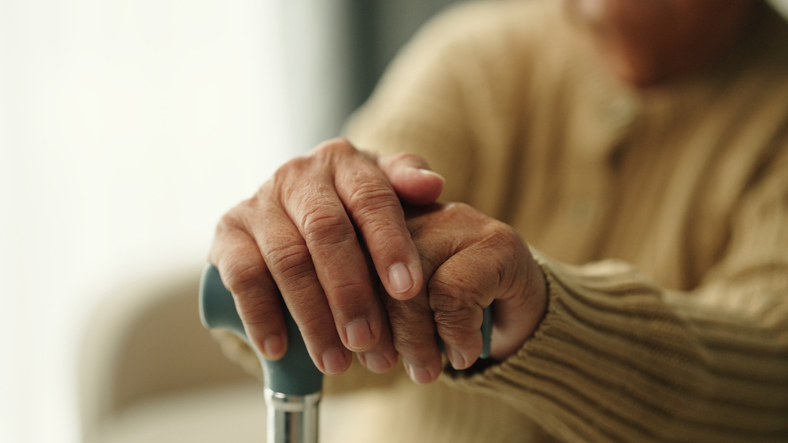
Signs of nursing home abuse
There are several types of abuse residents suffer in nursing homes and homes, and assisted living facilities. It may be perpetrated by employees of these long-term care facilities, by other residents, or even by visitors to the facility.
- Physical abuse is intentional harm done to a resident, including slapping, pinching, shoving, and hair-pulling. If you notice your loved one withdrawing emotionally, or if they seem fearful of certain people in the home, in addition to the bruising or other marks, it can be a reliable indicator of physical abuse.
- Emotional and psychological abuse may include taunting and humiliation, such as mocking the resident’s condition or need for help. Cruel remarks, deliberately keeping the person from friends or family, and yelling at them are also forms of emotional abuse.
- Sexual abuse is one of the most common types of resident-on-resident abuse, although nursing home staff may also be guilty of abusing residents. Torn underwear or blood in your loved one’s underwear, or swelling, tears, and bruising around the genitals or anus, or bleeding from these areas are all signs of sexual assault.
- Financial abuse can take a few different forms, from outright theft of money or property to overcharging by the facility. Changes in your loved one’s will or other estate planning documents may also be an indicator of financial abuse or undue influence.
- Neglect, while not an overt form of abuse, is still prevalent in long-term care homes. Failure to meet the needs of residents, from withholding food to not helping those who need mobility assistance, or not turning bedbound patients, are all neglectful actions that cause physical harm to residents.
What are my legal options if my loved one is being abused?
You can file a report of abuse or neglect with any of the agencies we listed above. Each one conducts investigations into long-term care facility abuse; the outcome of which can result in anything from criminal charges to closure of the facility.
While seeing an agency hold the abuser and the facility that enabled them accountable is a start in justice being done, it is not your only legal recourse. Your loved one may have the right to file a lawsuit for damages against the individual who committed the abuse, any staff members who witnessed the abuse or neglect and failed to intervene, and the facility itself.
Nursing home abuse lawsuits are filed in civil court to recover damages for your loved one’s losses. This can include compensation for all medical and psychological care required to heal from the abuse, replenishment of stolen funds if there was financial abuse, and consideration for your loved one’s pain and suffering.
How a lawyer can help in nursing facility abuse cases
We know that no amount of money can undo what happened to your loved one or take away their pain and fear. However, any money your loved one receives can help them access quality medical care and provide the means for them to move into a safer community.
Our nursing home abuse lawyers investigate the complaint, gathering evidence such as witness accounts, physical evidence, and your loved one’s medical and financial records to prove that the abuse took place. They can also depose reluctant witnesses to get at the truth of the matter.
We take care of any court appearances and communicate with the other party on your behalf, shielding your loved one as much as possible. And when it comes time for restitution, we can negotiate a fair settlement on your behalf or take the matter to trial for a fair result.
Report nursing home abuse and protect your loved one
If your loved one has suffered abuse or neglect in a nursing facility, assisted living home, or through a home health care provider, taking swift action can protect their health and dignity. Reporting the abuse to the appropriate New Hampshire agencies is essential, but it’s only the first step.
Do you need help filing a claim against the nursing home or home health care provider who abused your loved one? Call Shaheen & Gordon today at (800) 451-1002 or contact us online for a free consultation.