
If you’ve received or are expecting compensation from a personal injury claim, you may be wondering: Do I pay taxes on personal injury settlements? The answer depends on what type of damages you’re receiving and how they’re categorized under state and federal tax codes.
At Shaheen & Gordon, our Maine personal injury lawyers help clients understand the taxability rules that apply to personal injury settlements, including claims involving car accidents, medical malpractice, or other serious injuries. Here’s what you need to know.

Are personal injury settlements taxable?
In general, the IRS doesn’t consider personal injury settlements taxable if they are meant to compensate for physical injuries or physical sickness (IRC Section 104(a)(2)). This means that if your damages arise directly from personal physical injuries, the money you receive is not considered taxable income.
Common non-taxable portions of a settlement include:
- Medical expenses
- Pain and suffering related to a physical injury
- Emotional distress caused by the injury
- Loss of consortium (impacts on relationships due to injury)
- Attorney fees related to your personal injury lawsuits
If your claim is tied to injuries or physical sickness, you usually won’t need to pay taxes on those portions of your settlement.
What parts of a personal injury settlement are taxable?
Some parts of a settlement may be subject to income tax, depending on what they are compensating for. Common taxable aspects of a settlement include:
Lost wages
If part of your settlement compensates for lost wages, that portion is taxable, just as your regular paycheck would be. It must be reported on your tax return and may also be subject to Social Security and Medicare taxes.
Punitive damages
While punitive damages are rare in Maine personal injury cases, they are fully taxable when awarded. These damages are meant to punish the defendant, not to compensate for physical injuries.
Interest on settlement payments
If you receive interest because the payment was delayed or spread out, the IRS considers that interest taxable income.
Emotional distress unrelated to physical injury
If your compensation for emotional distress is not directly tied to a physical injury, it may be taxed, even if your symptoms are serious.
What does the IRS say about injury settlements?
The IRS provides guidance on this topic in Publication 4345, which outlines the taxability of legal settlements. The main takeaway: If your personal injury claim is for physical injury or physical sickness, your damages are likely tax-free. If they cover something else, like lost income or emotional distress unrelated to an injury, they may be taxable.
How can I avoid surprise taxes on a settlement?
To protect your finances and stay compliant with IRS tax codes, follow these best practices:
- Work with a personal injury lawyer who understands settlement structures
- Request a breakdown of how your compensation is allocated (e.g., how much is for medical expenses vs. lost wages)
- Document your injuries thoroughly, especially when linking emotional distress to a physical condition
- Consult a tax advisor before filing, especially for large or complex settlements
Should I talk to a lawyer before settling?
Absolutely. Even straightforward personal injury cases can involve complex settlement language that affects your financial future. Those recovering from car accidents, workplace injuries, or another form of physical injury need to have legal guidance that goes beyond just securing compensation.
At Shaheen & Gordon, we help clients pursue full, fair settlements and make sure those settlements are structured to protect them from unnecessary tax obligations.
Need help with a personal injury claim in Maine?
Understanding how taxes apply to your settlement is just one part of protecting your recovery. If you need help with a personal injury claim in Maine, we’re ready to fight for your rights, in or out of court.
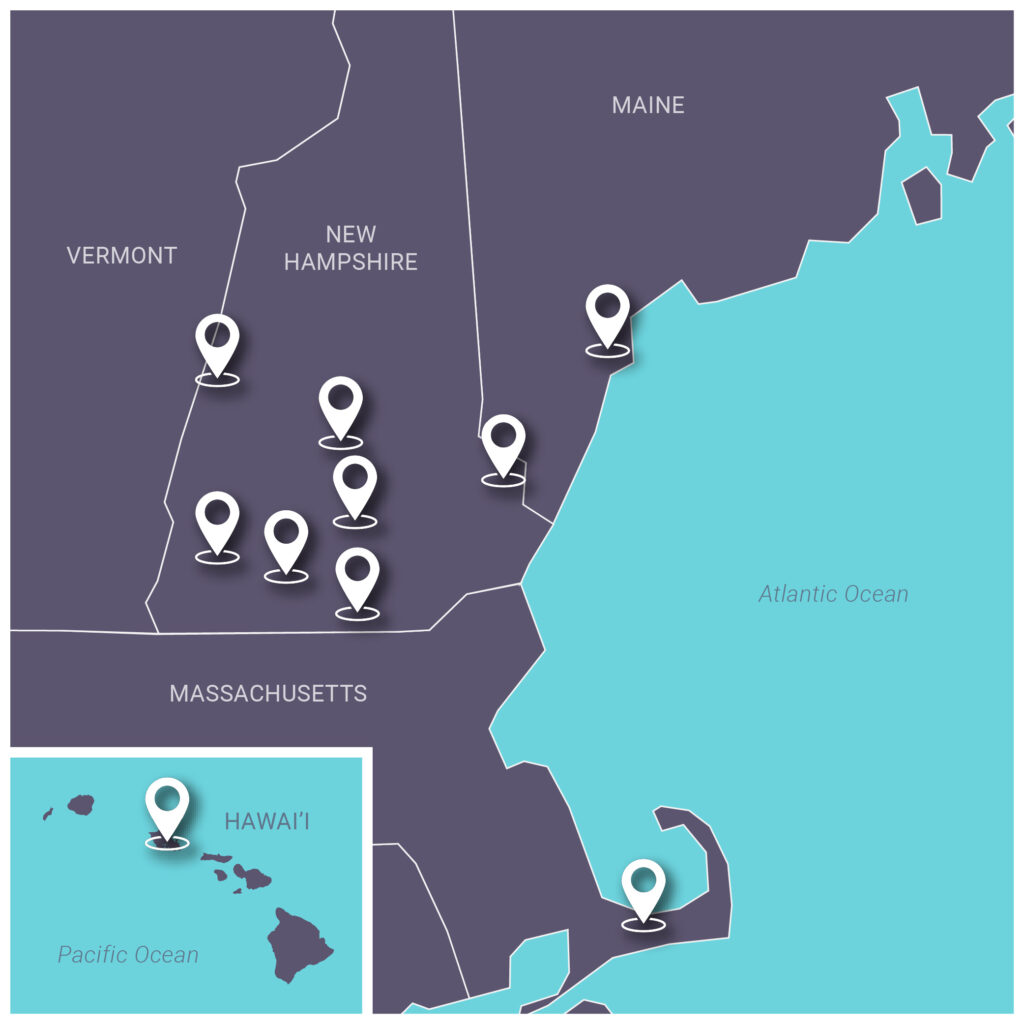
Call (800) 451-1002 or contact us online to request a free consultation with our personal injury trial lawyers. Shaheen & Gordon proudly serves clients across New Hampshire, Maine, Vermont, Massachusetts, and Hawaii.