
Unfortunately, motorcycle accident injuries and deaths are steadily increasing across the country. In New Hampshire, where helmet use is optional for those 18+, it’s important to be aware of the facts to help keep yourself as safe as possible on the roads.
How to Choose the Right Motorcycle Helmet:
Find the right shape: Motorcycle helmets come in a variety of shape styles – round oval, intermediate oval, and long oval. Determine the best shape for you by looking at your head shape from above, using either a mirror or a friend.
Find the right size: Measure your head with a tape measure, starting above your eyebrows and going around the thickest point at the back of your head. Your helmet should not move when you shake your head.
Find the right style: There are a variety of helmet styles available, with a variety of features that can affect visibility, comfort, ventilation, and protection. It’s important to review all the options to find the one that best suits your needs.
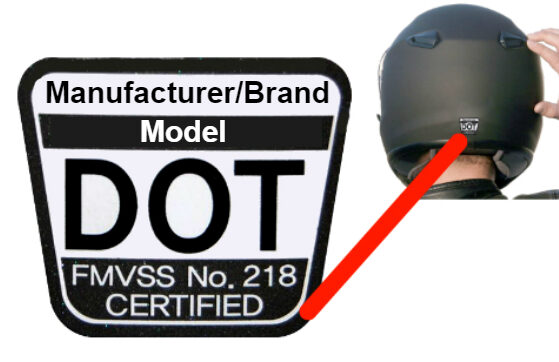
Find one that’s safe! Ensure that your helmet has a DOT symbol on the outside back, which signifies that it meets Federal Motor Vehicle Safety Standards.
Avoid the following:
- Helmets less than 1″ thick or 3lbs in weight (or anything advertised as thin or light)
- Plastic chin strap buckles
- Anything extending further than two-tenths of an inch from the surface of the helmet

Road Type Definitions
- Interstate: High volume, multi-lane road with on and off ramps, connecting states
- Non-Interstate Principal Arterial: High volume roads without access control, providing higher mobility
- Non-Interstate Minor Arterial: Regional connector, with slightly less volume than a principal arterial
- Non-Interstate Collector: Collects traffic from local roads and distribute it to arterial roads
- Non-Interstate Local Roads: Shorter distance, low volume roads with low speed limits
- Non-Interstate Freeway/Expressway: High volume, multi-lane road with on and off ramps, inside one state