


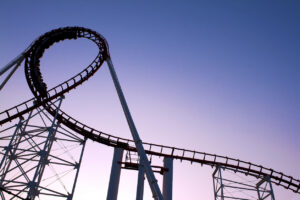
Millions of people ride roller coasters and water attractions every year, and most walk away without incident. But when a ride isn’t well-maintained, or an operator skips a vital safety check, the injuries that follow can be serious, from broken bones to traumatic brain injury.
At Shaheen & Gordon, our theme park injury lawyers can review what happened and help you understand your legal options, whether the party responsible is the park itself or the company that built the ride. Call (800) 451-1002 to request a free consultation.
Why choose Shaheen & Gordon for a theme park injury claim?
Shaheen & Gordon is one of the largest law firms in New Hampshire, with 70 attorneys and a practice built around representing individuals against large corporations and their insurers since 1981. We have offices across New Hampshire and Maine and also serve clients in Massachusetts and Hawaii, with virtual appointments available if you can’t make it into an office.
Our attorneys have earned recognition from Super Lawyers®, Martindale-Hubbell®, Best Lawyers®, and U.S. News – Best Law Firms®. We also pride ourselves on clear and purposeful communication with clients, so you’re never left wondering where your case stands.
What injuries commonly happen at theme parks?
Some theme park injuries, like scrapes and bruises, heal within days. Others change a person’s life. Which one you’re dealing with usually comes down to the ride involved, and the most frequently reported injuries include:
- Whiplash and neck injuries from sudden stops or jolts on roller coasters
- Broken bones from falls or restraint failures
- Traumatic brain injuries from ride malfunctions or collisions
- Spinal cord injuries on water slides and drop rides
- Lacerations and burns from mechanical parts or hot surfaces
- Drowning and near-drowning incidents on water attractions
- Slip and fall injuries in walkways and stairwells
The injury itself is generally a clue to its cause. Whiplash on a roller coaster points to a restraint or braking problem. A laceration near moving machinery points to maintenance that fell behind.
What causes theme park accidents?
Theme park rides are complex machines running at high speed, and one overlooked part can turn a routine ride into a serious injury. Four things cause most theme park accidents:
- Mechanical failure
- Operator error
- Poor maintenance
- Design defects
A mechanical failure means a harness or a brake stopped working mid-ride. Operator error looks different. It happens when a ride operator skips a pre-ride check or overrides a safety sensor to keep a line moving. Maintenance problems build slowly, as bolts loosen and cables wear down faster than they are being inspected. Design and manufacturing defects are the rarest cause, since most rides go through extensive testing before they carry passengers, but a defect that slips through can affect every unit of that ride model, not just one.
Who regulates theme park ride safety?
The Consumer Product Safety Commission (CPSC) regulates mobile rides that travel between fairs and carnivals, but not the fixed rides at major theme parks. Congress removed the agency’s authority over permanently fixed rides back in 1981, so that oversight now falls to the states, and how closely a state watches its rides can vary significantly.
California’s Division of Occupational Safety and Health runs a dedicated Amusement Ride and Tramway Unit that permits and inspects both portable and permanent rides itself, rather than relying on parks to self-report. In Florida, a permanent park with at least 1,000 full-time employees and its own in-house safety inspectors is exempt from state permitting and inspection. That’s why Disney World, Universal Orlando, SeaWorld Orlando, and Legoland Florida inspect their own rides instead of answering to an outside regulator.
In New Hampshire, amusement rides are inspected by the New Hampshire Division of Fire Safety under the NH Department of Safety umbrella. They are expected to meet a safety standard established by ASTM International, a trade standards organization.
Nationally, roughly 20 states run comprehensive inspection programs and six states barely regulate fixed-site rides at all, per the University of Pennsylvania regulatory analysis. That gap could matter to a claim, since the inspection records available to your personal injury lawyer depend on where the park operates.
Timeline of landmark theme park injury cases
The gap in federal oversight of fixed-site rides became impossible to ignore in March 2022, when 14-year-old Tyre Sampson fell to his death from the Orlando FreeFall drop tower at ICON Park. An investigation found the ride’s harness sensor had been manually adjusted, leaving a gap nearly twice the size of the opening it was designed to allow.
Florida responded in May 2023 by signing the Tyre Sampson Act into law. It requires seat belts and harnesses on tall rides, independent certification, unannounced state inspections, and stricter accident reporting. Then, in December 2024, an Orlando jury awarded Sampson’s family $310 million, finding the ride’s manufacturers responsible for his death.
The case shows how a single ride failure can name more than one defendant, and how the state where an accident happens shapes both the safety rules that applied and the compensation available afterward.
Who can be held liable for a theme park injury?
More than one party can be responsible for a theme park accident. Finding all of them can increase how much you recover.
The theme park and its owner
A park can be held liable when an employee’s negligence causes an injury, like a ride operator who rushes a safety check to speed riders through the line. Park owners generally have a duty to inspect their property and warn visitors of hazards they know about or should have discovered. When that duty is ignored and someone gets hurt, the park can share liability with whichever other party contributed to the accident.
Ride manufacturers
Ride manufacturers face a different kind of claim, product liability, when a design or manufacturing defect makes a ride unreasonably dangerous. Outsourced maintenance contractors can be named too, if their inspections or repairs fell short of industry standards.
Some cases are more straightforward than others. A rider who falls after an operator failed to secure the harness has a direct line from mistake to injury. A crack that develops slowly from wear and tear is murkier; tracing it to a specific inspection failure or manufacturing defect can take an engineering review before it can be determined who’s at fault.
Can a liability waiver stop you from suing a theme park?
Signing a waiver or accepting a ticket disclaimer doesn’t automatically bar you from filing a claim. Courts in most states generally won’t enforce a waiver against gross negligence, and a waiver can’t excuse a park from following safety regulations that applied to the ride. A personal injury attorney at Shaheen & Gordon can review the waiver language against the facts of your accident to see whether it actually holds up.
Warning signs near a ride don’t change this much either. A sign can reduce a park’s liability for risks that are obvious and built into the ride itself, but it doesn’t cover an injury caused by mechanical failure or operator error.
What compensation can you recover after a theme park accident?
What you can recover depends on the state where the accident happened, but most claims cover two broad categories.
- Economic damages can cover medical bills, both current and future, along with lost income if the injury affects your ability to work.
- Non-economic damages address harm that’s harder to put a number on, like pain and suffering or the loss of activities you used to enjoy.
When a theme park accident causes a death, surviving family members may be able to bring a wrongful death claim for funeral costs and the financial support the family has lost. A settlement can also raise questions about taxes and payout timelines, so it’s worth asking your theme park injury attorney before agreeing to anything.
Some states also allow punitive damages against a defendant whose conduct was especially reckless. New Hampshire does not. New Hampshire law rules out punitive damages, but it allows enhanced compensatory damages instead. If your accident happened outside New Hampshire, ask your attorney whether the state where it occurred allows punitive damages directly.
What should you do after a theme park accident?
What you do in the first hours and days can affect your health and your ability to recover compensation later.
- Get medical attention right away, even if the injury seems minor, since some symptoms take days to appear.
- Report the accident to park staff and ask for a copy of the incident report.
- Take photos and/or videos of the ride and your injuries before anything changes.
- Get contact information from anyone who witnessed the accident.
- Keep your tickets and receipts from the day.
- Avoid signing any release or accepting a settlement offer before speaking with a lawyer.
Evidence like this fades fast. Ride logs get overwritten and surveillance footage is often deleted on a rolling schedule. Witnesses get harder to track down the longer you wait, and how much of that evidence survives often decides whether a claim settles quickly or moves toward litigation.
How long do you have to file a theme park injury lawsuit?
Every state sets its own deadline for filing a personal injury lawsuit. For example, in New Hampshire, you have three years under RSA 508:4. Maine allows six years for most civil claims under 14 M.R.S. § 752. Other states allow as little as one or two years, so the deadline that applies to your case depends entirely on where the accident happened. When a child is hurt, most states also pause the clock, giving them additional time after they turn 18 to file.
If you miss that deadline, you generally lose the right to recover compensation, no matter how strong the underlying case is. Since that deadline is tied to the state and the specific facts of what happened, it’s a good idea to talk to a lawyer early rather than waiting to see how the injury plays out.
Frequently asked questions about theme park injury claims
Can I sue a theme park for my injury?
You may be able to, if the park or a ride manufacturer acted negligently and that caused your injury. A theme park injury lawyer can look at the ride and your injury and tell you who may be responsible.
What if my child was injured on a ride?
Parents can typically file a claim on behalf of an injured child, and many states extend the filing deadline until after the child turns 18. A height or age restriction posted at the attraction does not excuse the park from operating the attraction safely for those it lets ride.
Who is liable if an attraction malfunctions mid-ride?
It depends on what caused the malfunction. A design or manufacturing defect tends to point to the ride manufacturer. A maintenance failure or an operator’s mistake tends to point to the park.
Do theme park injury claims usually settle out of court?
Many do, especially once the park’s fault is well documented through incident reports or maintenance records. Claims involving serious or permanent injuries can take longer, and some do end up going to trial when the parties can’t agree on what the case is worth.
Is there a class action for theme park injuries?
Not usually. Theme park injury claims are typically filed as individual lawsuits, since each one depends on a specific rider’s injuries and the facts of that particular accident. Multiple riders hurt in the same incident may file separate claims that later get coordinated for efficiency, but that’s different from a certified class action.
Talk to a theme park injury lawyer at Shaheen & Gordon
If you or your child was hurt at a theme park, you don’t have to figure out who’s responsible on your own. Our theme park injury lawyers can look at what happened and walk you through your legal options in plain terms.
Call (800) 451-1002 or contact us online to request a free consultation.